He Sold For $1.5B But Will Never Retire | Mike Wystrach (Freshly, Petfolk, Cutting Horse)
Mike Wystrach went from $15 in the bank to selling Freshly to Nestlé for $1.5 billion. He breaks down the debt, the secondaries, the earn-out, and why he'll never stop building.
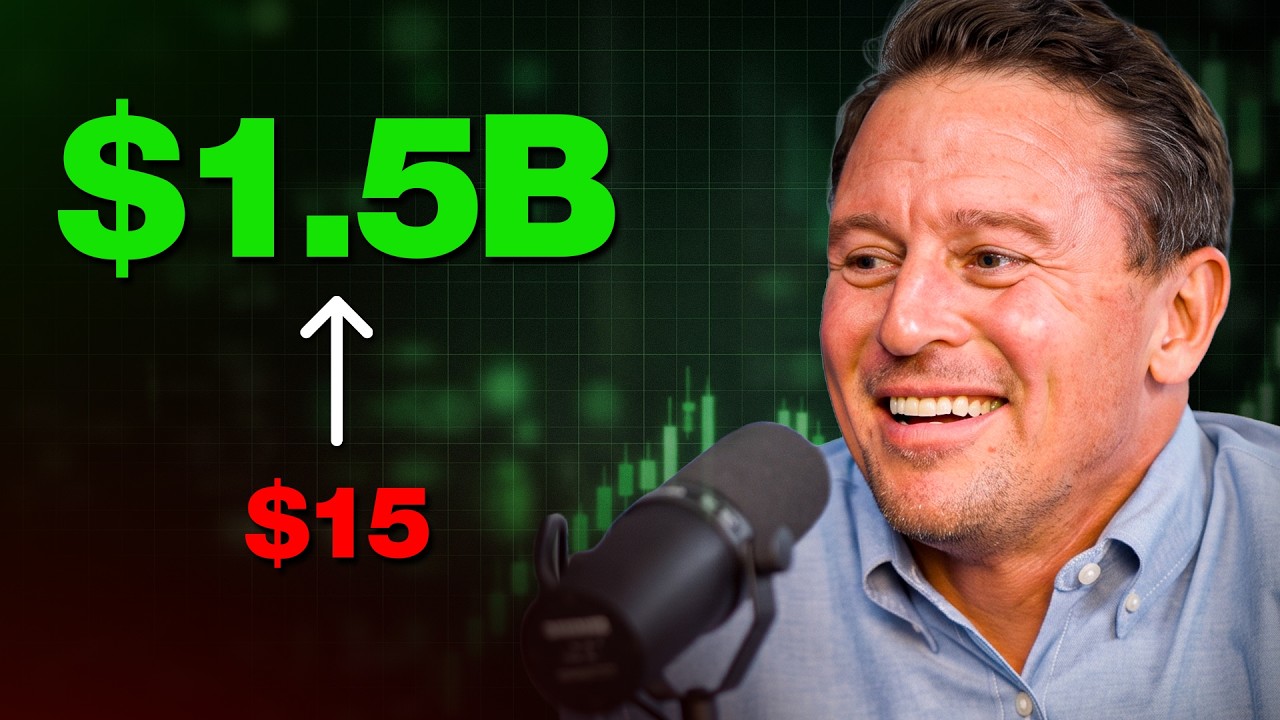
Mike Wystrach had $15 in his bank account and a million-dollar judgment hanging over his head when he pivoted from a failing restaurant to a meal-delivery startup called Freshly. Six years later, Nestlé bought it for $1.5 billion. Then they shut it down. Mike walked away with roughly $100 million — and didn't take a single day off. He immediately launched a veterinary company with his sister and raised a $75 million venture fund. In this episode, he breaks down every dollar: the debt, the secondaries, the earn-out, the real estate, and why he says he'll never retire.
Like all Moneywise episodes, Mike breaks down his net worth, income, portfolio, and monthly expenses and then I, your humble host, pick it all apart.
We also went deep on: how Mike negotiated a $1M judgment down to $700K, why the most important million was the one that got him back to zero, the complexity of a $550M earn-out with Nestlé, his philosophy on real estate over luxury goods, building Petfolk (a modern vet clinic platform), running a $75M operator-focused VC fund called Cutting Horse, and why he believes you should never retire
Below you'll find my summary of the episode along with the entire transcript.
And by the way...this podcast, the concept of it came from Hampton. Hampton is a private, highly vetted community for high net worth founders started by Sam Parr. Members range from companies doing 3-5 million in revenue all the way up to hundreds of millions. The reason we started this podcast is because there are amazing conversations about money and growing companies that typically happen only behind closed doors, and we thought it would be awesome to share all of this information. If you're a CEO, founder, or business owner, check this out. New Moneywise episodes come out weekly.
Listen to this episode on:
Now, below are the notes and the full transcript.
The Numbers
- $15 — What Mike had in his bank account when he started Freshly
- $1M — Judgment against him from a failed restaurant lease (negotiated to $700K)
- $2M — First secondary taken at Series B
- $5M — Second secondary taken a few rounds later
- $500M — Freshly's annual revenue at time of acquisition
- $1.5B — Sale price to Nestlé ($950M upfront + $550M earn-out)
- ~$100M — Mike's personal take (post-tax: $50–60M)
- $2.4M — Primary home purchase price
- <$500K/year — Annual living expenses
- $75M — Cutting Horse venture fund size (10 investments max)
- 45% — Average return on capital over 20 years
- 20–30% — Target allocation to real estate
From $15 to $1.5 Billion
Mike started a restaurant in Tucson, Arizona. It was failing. He was working nonstop, not taking care of himself, and asked a family doctor friend to draw up a meal plan. His chefs at the restaurant cooked the meals, and within 60 days Mike was back in the best shape of his life. Friends started asking what he was doing — and whether he could do it for them.
He hacked together a website, sent an email to 50 friends, and woke up to $2,000 in sales. "That was all I needed to be like, okay, we got something here," he says.
The restaurant continued to tank while the meal delivery business took off. Mike made the jump — but it came with consequences. He'd personally guaranteed a 20-year lease on the restaurant. When the landlord sued, Mike lost and ended up with a million-dollar judgment and $15 in the bank.
"Now I've got a negative million-dollar balance sheet. All the bridges were burned. This has to succeed."
Six years later, Freshly was doing half a billion in revenue. In October 2020, Nestlé acquired it for $1.5 billion — $950 million upfront and a $550 million earn-out.
The Most Important Million
Mike took his first secondary — $2 million — at the Series B. He used $1 million to pay off the judgment (negotiated down to $700K by his father), and kept the other million. For the first time in his life, he wasn't living paycheck to paycheck.
"People always say the first level of wealth is when you go out to eat and you're not worried about how much it costs. You just point at what you want. You don't have a panic attack when the bill comes and it's $500."
The advice to take secondaries came from Jason Finger, the founder of Seamless and a Freshly board member: "Every chance at every round you get to do secondary, you need to take secondary." His logic was simple — if the business kills it, yes, you'll look back and wish you hadn't sold. But you don't know that it will.
Mike later took another $5 million in secondary, bought a house, and got married. By the time the big wire hit after the Nestlé acquisition, there was nothing urgent he needed to buy.
"That first million was the most important million. That was the million that cleared me back to zero."
Selling to Nestlé — and Watching It Disappear
Mike's personal take from the Freshly acquisition was roughly $100 million pre-tax. After taxes — much of it taxed as income — he netted around $50 to $60 million.
He didn't buy a supercar or a watch. He chartered a jet to Aspen with his CTO, his executive assistant, and some family and friends. He took the guys to the Phoenix Open and the Masters. "Those were the big things. But I wasn't like... I drive a GMC Yukon. I'm not a car person. I'm not a watch person."
After Mike stepped away — about a year after the sale — Nestlé eventually shut Freshly down. The thing he'd spent nearly a decade building was gone.
His take on it is surprisingly measured: "If it's your baby, you don't sell your kids. And if you do sell your kids, you're a bad... So if it really is your baby, then don't sell it. When you sell something, you are handing it over."
He doesn't carry bitterness about the shutdown. "I respected that. They paid a lot of money for it. They were gonna run it the way they thought was right." But the experience reshaped his next move: "The next business I want is an evergreen business. I want a business that I can be in for a really long time."
Where the Money Goes
Mike's annual living costs are under $500,000 — well below his means. His primary home was $2.4 million. He owns a place in the Hamptons and bought his parents' ranch. He targets 20–30% of his assets in real estate.
"Your freedom is set by your living costs," he says. "I would rather spend on assets than on designer clothes or watches. You're gonna get more utility value out of my GMC Yukon than I would if I had a McLaren. The McLaren is just gonna create a bunch of headaches."
He financed three properties at rock-bottom rates — around 2% — and loaded up on real estate because the math was so favorable. "When you're able to borrow at 2% interest rates on real estate, you're gonna have a tough time not making money over the long term."
His spending philosophy is simple: most of his outgoing cash goes into investments, not consumption. He immediately deployed capital into a new company (Petfolk) and a venture fund (Cutting Horse). "Most of my negative cashflow is going into some degree of some investment."
Building Again: Petfolk and Cutting Horse
Mike didn't take a single day off after leaving Freshly. He went straight into Petfolk, a veterinary platform he co-founded with his sister Audrey, a 30-year practicing vet. The thesis: veterinary medicine had declined in joy for vets over the past 15 years. Build gorgeous clinics, make vets happy, and the patient experience follows.
"It's a service industry. If you have happy vets, there's no better service to walk into." The business is growing almost as fast as Freshly did — and this time, Mike plans to hold it forever.
He also launched Cutting Horse, a $75 million venture fund focused on operator-led investing. They make concentrated bets — just 10 investments max, 2–3 per year — in companies doing $1 to $10 million in revenue.
"I've raised over $300 million in venture capital, and I've seen this progression where there's less actual operators investing and more professional investors. We want to be the person at the table that actually has real experience. Not someone who read a book on this."
Over 20 years of building businesses, Mike has averaged a 45% return on capital. His logic for not selling: "If you don't sell, you don't pay taxes, you don't have to redeploy that capital. Compounding wins will pay off."
Never Retiring
Mike gets up at 4:15 AM and goes to bed at 8 PM. He hates vacation by day three. He has a twin brother — Mark Wystrach, the lead singer of country band Midland — and they couldn't be more different in how they're wired. But both share the same relentless work ethic, instilled by parents who ran small businesses on their family ranch in Arizona.
"I'm never retiring. I'm going into the grave on fire," he says. "I find value in the work. Find the thing you want to do, do it really well, do it relentlessly, do it for a long time."
He's already thinking about how to pass this on. His oldest is six, and he's considering buying small businesses so his kids can work in them — the same way he grew up running payroll at 16 and working the ranch and the family restaurant.
"The secret power you can give your kids is work ethic. There's no substitute for hours in the gym."
When asked what he wants to be remembered for, Mike keeps it simple: "I'm a great husband and a great dad. From there, everything else doesn't matter. In one generation, very few people know you. In two generations, no one knows you."
Other Key Quotes
"People will always anchor over like, 'Oh my God, what did it feel like when you had the money?' It's like, man, I just spent so much more time thinking about the bonds, the people we created."
"Your freedom is set by your living costs."
"I'm never retiring. I'm going into the grave on fire."
"If it's your baby, you don't sell your kids. When you sell something, you are handing it over."
"The secret power you can give your kids is work ethic. There's no substitute for hours in the gym."
"If you are worried about work-life balance, do not be a founder. It's just reps. If I'm gonna put in 12-hour days and you're gonna put in 10, at the end of the week I'm gonna have an extra day of work."
"If you're thinking about an MBA, I would strongly advise just go start a company or work for a startup, 'cause you're gonna learn more than you will in an MBA."
"The peak's great, but it's never as great as you think, and it's short. You've gotta really enjoy the journey of hiking."
Links You Might Like
- Join Hampton Community: https://joinhampton.com
- Petfolk — Mike's veterinary platform
- Cutting Horse — Mike's operator-focused VC fund
- Daniel Berk on X
- MoneyWise Podcast: Full episode archive
Full Transcript
Mike Wystrach: Now, the downside of that is I had about $15 in my bank account, and I had personally guaranteed a 20-year lease. We get sued, we lose, I get a judgment against me for a million dollars. So I've, I've got 15 bucks in the bank. Now I've got a negative million-dollar balance sheet. That was 2014. Fast-forward 2020, we're doing half a billion in revenue. Um-
Daniel Berk: What did you do that day? You got a wire for $100 million-
Mike Wystrach: You know, people will always anchor over like, "Oh my God, what did it feel like when you had the money?" It's like, man, like, I just spent so much more time thinking about, like, the bonds, the people we created.
Daniel Berk: Yeah. In 2012, Mike Wystrach had $15 in the bank, and a judge had just ruled he owed his former landlord a million dollars. He started a meal delivery company out of the wreckage of that restaurant, and eight years later, Nestle bought it for $1.5 billion. But after Nestle bought Freshly, they shut it down. The thing that Mike had spent nearly a decade building was gone, and I wanted to know what that does to a person when they've already made life-changing money from the exit. I also wanted to know where did all that money go, and where does it still go? Because Mike did not retire. He didn't even take six months off. He started a veterinary company with his sister and put serious money into it, and then he raised a $75 million fund to back other founders. His entire payout went right back out the door into new bets. So the question I had going into this conversation was, at what point do you actually stop, and do you want to? MoneyWise is a podcast where we talk with ultra-high-net-worth individuals, and many of them are part of Hampton, a private network for high-growth founders doing three million or more in revenue or who have already had an exit of 10 million or more. If that's you, go to joinhampton.com. Now, here's our episode. I'm Daniel Berk, your host. This is Mike Wystrach. Mike, thanks so much for joining us today on MoneyWise. How you doing?
Mike Wystrach: Thanks. I, I'm excited to be on. Thanks for having me.
Daniel Berk: Me too. Me too. Yeah. I would love to hear a little bit about the Freshly story. Tell me kind of what led to the start of that journey-
Mike Wystrach: Yeah ...
Daniel Berk: ... and then the acquisition and some of the payout. Tell me that, that journey of yours.
Mike Wystrach: Yeah. Give you a quick recap. So started that business. Um, I think fun part about Freshly is, is kind of like the, uh, you know, the, the, you know, the ashes to the phoenix. Like, it was, um... Started that business in 2012. I started a business, uh, a restaurant. That business was failing. Um, I had s- had really, like, I was working my, m- my ass off just, like, in, in the restaurant nonstop trying to save it, and so I wasn't as healthy as I wanted to be. Um, wasn't working out. Um, g- generally was, like, pretty fit, you know, gym rat. And so I asked a, a good buddy who's a family doc- family doctor, is just, uh, Dr. Frank Comstock, um, genius in, like, on f- food and early writer in the paleo diet. So I was like, "W- what should I be doing?" He's like, "You gotta eat better." And I was like, "I don't even know what that means. Just draw me up, like, a list of things I can eat, and I'm gonna have my chefs at the restaurant 'cause I'm there nonstop just-
Daniel Berk: Right ...
Mike Wystrach: cook a bunch of stuff and then make to go." So fast-forward 60 days, back in shape of my life. I feel great. My energy levels are high. Um, and I... People start asking me, "What are you doing?" I'm like, "Oh, I've got like, uh, uh, I've got this, you know, this doctor who made all this, you know, made all the ingredients. My chefs just cook it. I just eat it." And they're like, "Can you do it for me?" So, so here I've got a failing business, and all of a sudden people are like, "Can you do it for me?" And I was like, "Oh, like, I wonder if this is, like, a business." So I sent out an email to, like, 50 of my friends. This is in Tucson, Arizona.
Mike Wystrach: And I, I, I hacked together, like, a website, and next morning I wake up, $2,000 in sales, which was, like, all I needed to be like, "Okay, we got something here." So-
Daniel Berk: Right
Mike Wystrach: ... so the restaurant continues to tank, and this business continues to go up, and I kinda had, like, a jumping... Like, I had, I had to make a decision. Like, i- is this like, "Hey, this is gonna fail," and you just gotta be okay with that and then put all your energy in there. So I, I did that. Now, the downside of that is I had about $15 in my bank account, um, and I had personally guaranteed a 20-year lease. So-
Daniel Berk: ... uh, we get sued. We lose. Um-
Mike Wystrach: Nice
Daniel Berk: ... I get a judgment against me for a million dollars. So I've, I've got 15 bucks in the bank. Now I've got a negative million-dollar balance sheet. Um, now the goods and bads of that is, like, now it was like, like, all the bridges were burned.
Daniel Berk: Yeah.
Mike Wystrach: Like, I was like, "This is, like, this has to succeed." So-
Daniel Berk: Right
Mike Wystrach: ... that was 2014. Fast-forward, um, 2020, we're doing half a billion in revenue. Um, and we sold that business to Nestle for one and a half billion. So it was an absolute phenomenal story. Um, and you know, it was, it was super cool. Now I know we're gonna talk about, a lot about the finance. One of the big questions I get is, like, you know, you know, how, how it, uh... You know, wealth is different in different levels.
Daniel Berk: Yeah, yeah.
Mike Wystrach: Um, and I always think people think, like, it's the most impactful at the highest numbers, and it's not. It's actually the most impactful, I think at least, at lower numbers. But so people have said, "What's the most, like, impactful thing?" And so I said, "The most impactful are Series B." We took a million dollars liquidity, um, ourselves, and then we made our early founders, which were, uh, my co-founders, parents, and a few people-
Daniel Berk: Oh, that's great
Mike Wystrach: ... we made them take all their money back. We made them.
Daniel Berk: Wow.
Mike Wystrach: Because we were like, "No matter what happens, we want..." So, so they took their money, but that million dollars, I paid off, I paid off all of the d- the, the debt that I had on that. So that was, like... So I was back to break even. So that was, which was kinda like, you know, for those of you in debt for, you know, it's like debt is just like a, a thing that just hangs on you, right?
Daniel Berk: Yeah.
Mike Wystrach: So it's just like, so that was like, people always say is like that was the first million. That was the most important million.
Daniel Berk: Right.
Mike Wystrach: That was the million that c- you know, cleared me back to zero.
Daniel Berk: So you went from 15 in your bank account, and then how many years until the acquisition when you sold?
Mike Wystrach: So we, you know, we kinda say there's different numbers we give, but that was, like, when we, when we really went full steam, it was like 14. Six years later, we sold. So 2020, we sold. Uh, October 31st, 2020 was when the money hit the bank.
Daniel Berk: So h- how did that feel? The money hit the bank. I mean, you personally got a wire for how much money-
Mike Wystrach: Got a wire-
Daniel Berk: ... and how did that feel?
Mike Wystrach: Well, so I, I did it in, we did it a few tranches. Net-net, um-
Daniel Berk: Uh, I th- m- plus minus my total amount I made on Freshly was just under 100 million.
Daniel Berk: Okay. So plus minus. Got killed on taxes.
Mike Wystrach: Sure. But that, that part-
Daniel Berk: So that was pre-tax or post-tax?
Mike Wystrach: That was post-tax. Post-tax. Um, so we'd, we'd give... You know, and, and this is always, like, the... We raised a lot of capital. We came out of Arizona, which at the time was... So, like, the dilution fact for us was pretty big. Would I do it the exact same way all over again? Absolutely, 'cause it put me in a position-
Daniel Berk: Sure
Mike Wystrach: ... that I was at. You know, would... If I did it today, I would do it probably di- a little differently, but, like, hindsight's always 20/20.
Daniel Berk: Yeah.
Mike Wystrach: But, so on that, I think when we, we sold, I'm, I'm guessing plus minus, but, like, the actual wire for me was plus minus probably half that. Um-
Daniel Berk: What did you do that day? You got a wire for $100 million in your bank account.
Mike Wystrach: You know, I was, I was fortunate.
Mike Wystrach: Again, this kinda goes back to, like, different levels of, like, wealth. So I was fortunate a year before that, I had a secondary. My advice, a, a good f- a, our, one of our board members, a very close friend, a guy named Jason Finger, the founder of Seamless, was with us and, and he sat me and, uh, my co-founder down and said, "Guys, every chance at every round you get chance to do secondary, you need to take secondary." And his whole point was like, "Look, if this business kills it, yes, you're gonna look back and you're gonna say, 'Oh, if I didn't sell, I could have..." He's like, "But the problem is, is you don't know that."
Daniel Berk: Yeah.
Mike Wystrach: Like, you always think... So he was just really good. So I took secondary on the series B, and I later took secondary on, uh, like, the series, like, C, like, like, plus-ish.
Daniel Berk: Sure.
Mike Wystrach: But it was, like, about two years later.
Daniel Berk: Bridge round or something.
Mike Wystrach: And that was, that was five million. And th- the, the... Well, I took actually, on the, the million I took two million, so I took one that I paid off and then one that I had in my bank account. That was the most impactful, because, like, now I wasn't living paycheck to paycheck.
Daniel Berk: Sure.
Mike Wystrach: And so first time I wasn't living paycheck to paycheck. People always say, like, the first level of wealth when you're not living pay is, like, you go out to eat and you're not worried about how much it costs. You don't look at the, the price.
Daniel Berk: Yeah.
Mike Wystrach: You just point what you want. You're not, like, you don't have, like, a panic attack when, like, the bill comes and it's, like, $500.
Daniel Berk: Yeah.
Mike Wystrach: You're like, "Oh, fuck." So that was that, and then the second one was when you could buy a house.
Daniel Berk: Yeah.
Mike Wystrach: And I think, like, to me, I was getting married, I had a kid, got the five million, bought our house. Um, and that was, that was really cool. So by... So this is a long story to answer your question, was like, by the time we had the, like, the, when that wire hit, I wasn't like that, like, "Oh, there's anything I big wanna buy." I think I did a cool, a few really cool trips that were really fun.
Daniel Berk: Okay.
Mike Wystrach: We, um, chartered a jet to Aspen.
Daniel Berk: There you go.
Mike Wystrach: Um, and I brought my CTO, my, uh, my executive assistant, who was, who, who started as my executive assistant but then grew to be our VP of our, our, um, part of our ops team. Um, and then a few family and friends on that, and that was awesome.
Daniel Berk: Yeah.
Mike Wystrach: Um, that was really cool. Um, you know, it, you know, that, like, a few of those trips, took the boys down to Phoenix Open, and then we did the Masters. So, you know-
Daniel Berk: That's awesome
Mike Wystrach: ... those were, like, big things. But I wasn't like, you know, I, I wasn't, I'm, I still am not. Like, um, I drive a GMC Yukon. I've got, like, you know, I'm very in that... Just, like, I'm not, like, a car person.
Daniel Berk: Yeah.
Mike Wystrach: I'm not a watch person. Um, just doesn't excite me. So there weren't any, like, crazy massive purchases.
Daniel Berk: The thing I've noticed doing this show is that the people who've actually made hundreds of millions of dollars talk about it quite differently than you'd expect. They don't always lead with the car or the watch. The type of wealth you see performed on Instagram and the version you see when someone actually has a ton of money, it's pretty different. These types of wealth conversations happen in Hampton constantly. It's a private network for high-growth founders. I get to peek behind the closed doors where successful operators and wealthy founders talk about their real numbers. Much of Moneywise I attribute to the conversations founders are having in Hampton every day. If you're running a company doing at least $3 million in revenue, check out joinhampton.com.
Mike Wystrach: We did end up, the wife did get a good purchase, which is we did get a house in the Hamptons-
Daniel Berk: There you go
Mike Wystrach: ... which was a, a good one as well. Yeah, so.
Daniel Berk: That's a, that's a, that's a great one. But that came a little later. That was-
Mike Wystrach: Yeah.
Daniel Berk: And I- I'm interested in the million-dollar debt payoff. That was...
Daniel Berk: It's interesting to, to, to pay off debts and to, you know, early on. Obviously, you should always pay off your debt. That's my opinion. But to do that as early as you did, walk me through your thinking behind that.
Mike Wystrach: Well, when, so when we did it, we got a million-dollar judgment. My dad is a phenomenal negotiator, and my dad... So basically, we didn't have... It wasn't, like, a loan. The, we had a judgment.
Daniel Berk: Sure.
Mike Wystrach: So it was like the alternatives were, like, file bankruptcy or, like... So my dad basically negotiated a timeframe with this, and it was-
Daniel Berk: Okay
Mike Wystrach: ... a three-year clicking tock, cl- like, to- clock.
Daniel Berk: Okay.
Mike Wystrach: So the challenge was my dad was like, "Can you do this?" 'Cause, like... And I was like, "I can do it."
Daniel Berk: Yeah.
Mike Wystrach: But, like, it, it was kinda like, no, like, I'd, you know, I didn't wanna go through filing personal bankruptcy, nor did, nor did he-
Daniel Berk: Yeah
Mike Wystrach: ... um, or my parents. Um, so I, so that I paid off a year and a half into that three years.
Daniel Berk: Okay.
Mike Wystrach: So, like, I just wanted... Now, with that, I basically, I knew I had the money to pay him, but I then was gonna negotiate with him. So I said, "Hey, here's the deal. I know I owe you this, and it's a million. Um, I can't pay a million. But what I can do is I can borrow..." He didn't need to know all the facts, but I could say, "I can borrow, I have someone will give me, and I can, I can pay you today, but the only way I'm gonna do this and take on more risk is I can pay you 700 today. I can write you, I can wire you a check within two weeks of this. I can wire you a check-"
Daniel Berk: Yeah
Mike Wystrach: "... 700." And so he was like, "Sure." But, you know, bird in the hand versus two in the bush. I think he was, he was writing that. Like, he knew that, like, if I did, like, a BK, he was screwed.
Daniel Berk: Yeah.
Mike Wystrach: So that saved me 300. So that was like, um, I just wanted that done.
Daniel Berk: Yeah.
Mike Wystrach: I needed to get it done for my dad, so it was just, it was great to get that done.
Daniel Berk: Yeah. Yeah. And the Freshly acquisition, you had some upfront and then there was an earn-out period, right? Of about 500, 550 million.
Mike Wystrach: Yeah. So we did... It, the, the, the way, and I c- I can only share what's public on this. Um, but we, uh, it was a 950 exit and then, um, there was an earn-out of up to 550 on the earn-out.
Daniel Berk: Would you do it that way again?
Mike Wystrach: Uh, probably not. Well, I don't know. I mean, I look back hindsight and there's, there's learning lessons in everything. I mean, we sold at the perfect time.
Daniel Berk: Yeah.
Mike Wystrach: Um, would I- Like, would have I changed anything? No. 'Cause we sold the perfect time.
Daniel Berk: Yeah.
Mike Wystrach: Um, you know, the, the challenge always with an earn-out is, is, you know, it, it creates a lot of complexities. Um, so I wouldn't say would I ever do it again? I would advise people that, like ... You know, but we had a lot of advice on it. Like, earn-outs are hard.
Daniel Berk: Yeah.
Mike Wystrach: So I'd just advise people, like, "Hey, earn-outs have a lot of complexity." Um, I think, you know, the challenge always with founders, and what makes me good, is like I always think I'm gonna be different.
Daniel Berk: Sure.
Mike Wystrach: That's the only reason founders do, you know, do things-
Daniel Berk: ... is 'cause they're like, "No, no, no. The odds are might-"
Mike Wystrach: Not me. Not me.
Daniel Berk: Yeah, not me.
Mike Wystrach: So, you know, and sometimes you gotta, you know, sometimes you gotta get punched in the face to be like... But so I think, you know, I'd say like it, it... Each situation's different.
Daniel Berk: Yeah.
Mike Wystrach: Um, a lot of times, like I advise founders, but like you can make a lot more on an earn-out, so it, it... And, and founders done well can, can make a lot, lot more on an earn-out. So I'd say like would I ever do it again? Probably. I, I don't always learn from all my mistakes.
Daniel Berk: The acquisition led ultimately to Freshly getting shut down, and, um, I'd love to hear the... There's the story that you tell everyone on a podcast, but then there's the way you talk about how you feel when your pillow's on your head at night or your head's on your pillow at night and you're talking to your wife. I mean, your-
Mike Wystrach: Yeah, like-
Mike Wystrach: your baby is Freshly, right? So- I, I mean, look, I, I think this is the big part about selling a business. Like, if it's your baby, you don't... Like, you don't sell your kids. And if you do sell your kids, you're a bad f- So like if it really is your baby, then don't sell it. Like, if you really are that passionate, then like when you sell something, you are handing it over. It's a little bit like crying when the, you sell your house and someone paints it a different color. It's like if you didn't wanna... Like, so I think you have, you have to be mature on that. You have to say like, "Look, I, I'm... It's not my business." Um, the, the new bu- the new buyers, Nestle, paid a lot of money for it. They were gonna run it the way they thought was, was, was right. Um, and I think at the end of the day, I, I respected that. I respected that.
Daniel Berk: Yeah.
Mike Wystrach: Um, I, I think, you know, for, for me, we had a different vision. I ultimately felt like, um... I have to be careful and I can't talk too much about it 'cause there's now litigation going on. But like for me as like I, I felt like I wasn't the right person to continue leading the business, um, in that direction. And, and like I would generally say with like Nestle is like it never for me was like a personal thing, and I don't, you know, I don't think it was for them. I think they were trying to make the right decisions and, and I, I had to basically say, "Look, I'm, I'm either..." You know, I didn't feel like I was the right person, but I never... I didn't leave, I didn't leave that like upset. I didn't leave it being like, "These guys are, you know, A-holes," or anything like that. I left it being like, look, it's, it's not... Now, at the time, um, you know, the business was going and, and still thriving and doing well, um, so I didn't see the turn. And, and really, you know, I had no involvement after that. So, you know, I was, I was upset for the teams that were still there.
Daniel Berk: Yeah.
Mike Wystrach: Yeah. That was like the, the thing, and we worked, you know... And, and so did to, to Nestle's credit, like to work to get everyone reemployed and see what we could do, and I helped out on that to where I could. But, you know, it's always a bummer when you see something that like, you know, doesn't continue 'cause you put a lot of energy in that. But-
Daniel Berk: Yeah
Mike Wystrach: ... you know, fortunate for me, I was already onto the next thing, and I, like my energy was put somewhere else. And, um-
Daniel Berk: Yeah
Mike Wystrach: ... you know, you know, the, the next one, I... But the part of that was like there's lots of good things with selling and there's lots of negative things with selling, um, that is you hand over the reins. And I think the one thing that I, I really... And the next journey that I did was like I wanna own something for a really, really long time. Um, and I really wanna be in, in, and, and see the compounded like wins of that.
Daniel Berk: Yeah.
Mike Wystrach: Um, and that wasn't our goal with Freshly. That wasn't like we really did want more kinda liquidity. It was my first win, so.
Daniel Berk: Yeah.
Mike Wystrach: Um, but like, again, s- goods and bads about it.
Daniel Berk: Yeah.
Mike Wystrach: Um, and, you know, I, I... Hindsight, would have I done anything different? No, because I think we exited at the perfect time-
Daniel Berk: Yeah.
Mike Wystrach: Yeah ... and we did great, and I learned a lot.
Daniel Berk: Yeah.
Mike Wystrach: And I think on all these things, like you learn a lot. Like when I, when I shut down a restaurant and it cost me a million dollars and, and not only the money we lost in that, like would... Was I super stoked that ha- No. But I, I, guess what I never did from that point on? Sign a personal guarantee.
Daniel Berk: Yeah.
Mike Wystrach: I've never, ever signed a... So like that one million probably saved me a ton of money.
Daniel Berk: Yeah.
Mike Wystrach: And, and so like, you know, I just think you gotta sometimes take these things and, and kinda say like, "What did I learn here?"
Daniel Berk: Yeah.
Mike Wystrach: And, and h- you know, hopefully move on.
Daniel Berk: It's all part of the journey.
Mike Wystrach: Yes.
Daniel Berk: I mean, I think you're absolutely right. 100%. So the sale was 100 million personally. H-
Mike Wystrach: Yeah. It was... Yeah.
Mike Wystrach: W- billion and then s- you know, the h- 550 million earn-out. Yeah. And yeah, my portion was r- plus or minus right around there.
Daniel Berk: So what does your personal finance situation look like now? Walk me through net worth, your monthly spending, let's call it, you know, your personal balance sheet.
Mike Wystrach: Yeah. I mean, I mean, so taxes was probably plus or minus 'cause a lot was like in like, um, ended up getting taxed under like income tax. So I have to say like plus minus. You know, when, when all was said and done after, like all the payouts, you know, don't have an exact number, but plus minus like 50.
Daniel Berk: Okay.
Mike Wystrach: Uh, maybe s- 50, 60. Um, it's, it's... So and then I went... So I kinda think about... So one, I think there's kinda different ways of thinking about like spending, right?
Daniel Berk: Mm-hmm.
Mike Wystrach: So spending, it, you've... Like for me is like, is ultimately about cashflow, but I would say most of my negative cashflow is going into some degree of some investment.
Daniel Berk: Okay.
Mike Wystrach: So, um, I don't... I mean, outside of like, you know, like things like, you know, food, grocery services, vacation, but like that's a relatively small portion.
Daniel Berk: Sure.
Mike Wystrach: I'm not a big fan of like designer clothes, design- like watches, things like that. I, I, I would rather spend things on, um, on assets.
Daniel Berk: Yeah.
Mike Wystrach: And, and so to me, like as I think about assets, so immediately started another company, put a ton of money in that, started a venture firm, which is, is, uh, I put a ton of money in that. Um, so those are, you know, I guess cashflow requi- like cash is when you're building those-
Daniel Berk: Expenses, yeah ... it's going out.
Mike Wystrach: Yeah. Um, so that's kind of a cash drain. Um, now they're getting cash positive. Um, but to me those are investments.
Daniel Berk: Yeah, yeah.
Mike Wystrach: And, um, and then p- property's the same thing. So like I like owning real estate. Um, I like, because like you can, you know, for us, the, my rationale when we bought the Hamptons place is like You know, one, I'd love to own that house for a really long time.
Daniel Berk: Yeah.
Mike Wystrach: But ultimately, you're paying for your vacations.
Daniel Berk: Sure.
Mike Wystrach: So if you can cover it ... 'Cause y- when you sell that, you're gonna ... You, you should, if you have, you know, appreciation on that needs to be north of 4%.
Daniel Berk: Yeah.
Mike Wystrach: And then I basically had a free vacation home for like ... So I always like to try to-
Daniel Berk: And you still own that house?
Mike Wystrach: Still own the house, yeah.
Daniel Berk: What did that one cost?
Mike Wystrach: Um, I'm, I'm not gonna give that one-
Daniel Berk: Okay ... 'cause I don't wanna, um, link on that.
Mike Wystrach: But, um, but yeah. I mean, it's, you know, it's a nice ... It's not like an over the top.
Daniel Berk: Sure.
Mike Wystrach: Um, but, but for me, it was like always about managing cashflow and then managing, um, that ... Just looking and saying like, h- what are, what am I ... Like, what are my downsides? So like I just don't like ... For me personally, it's like, you know, you go buy a fancy shirt.
Daniel Berk: Yeah.
Mike Wystrach: It's a massively depreciated asset.
Daniel Berk: Yeah.
Mike Wystrach: There's-
Daniel Berk: Yeah, yeah ... there's very little utility value.
Mike Wystrach: You buy a house, you're gonna get a ton of utility value.
Daniel Berk: Sure.
Mike Wystrach: You're gonna get-
Daniel Berk: You can use it and you get the resale value ...
Mike Wystrach: you're gonna use it, but then you also get like the resale value.
Daniel Berk: Yeah.
Mike Wystrach: So like to me, that's the same thing as like a car is. Like, I get the utility value of car, but my GMC ... Like, my whole thing with a car is I don't want it to break down.
Daniel Berk: Yep.
Mike Wystrach: And it's gotta be functional.
Daniel Berk: Yeah.
Mike Wystrach: But like, like you're gonna get more utility value out of my GMC than I would if I had, you know, whatever McLaren or whatever.
Daniel Berk: Sure.
Mike Wystrach: Now McLaren is just gonna create a bunch of headache.
Daniel Berk: Yeah.
Mike Wystrach: And even if you can argue, "Well, it's gonna stay price," it's like, no, with taxes and, and your insurance costs-
Daniel Berk: Yeah ... and all, you're gonna ... It's a depreciating asset, maintenance.
Mike Wystrach: So you know, I just try to invest in things that I'm doing and then, um ... And you know, our, our living costs are relatively, you know, I th- I would say like below our, well below our means.
Daniel Berk: Okay.
Mike Wystrach: Um, and that's always like I would say to anyone is like your freedom is set by your living costs. Sure. Like that's-
Daniel Berk: What are your living costs roughly?
Mike Wystrach: Oh, I mean, I would say our living costs are probably ... I mean, I don't have an exact because I, I look more at cashflow is, is, is low. The mortgage. Let's start with the primary house mortgage. Oh, primary is pretty low. I mean, we, our, our house is, uh ... You know, we bought that house for 2.4 million.
Daniel Berk: Okay. Um-
Mike Wystrach: And that's one of the two houses or do you have more real estate? Uh, I bought, uh, I bought my parents' ranch so I have that as well.
Daniel Berk: Okay. Um, so yeah.
Mike Wystrach: I love real estate. I, I think it's, you know, if you have ... I'd like to keep, you know, 30% of assets in, in real estate-
Daniel Berk: Okay ...
Mike Wystrach: 20, 30%. Um, but yeah. I mean, I, you know, I don't know. Pr- probably liv- I mean, probably under living cost is probably under a half million.
Daniel Berk: Okay. Um, like would be my guess. I'd have to factor it. Monthly or annually?
Mike Wystrach: Uh, annually.
Daniel Berk: Annually.
Mike Wystrach: Yeah, so relatively low. I mean, we don't like ... I, I mean, we ... But you know, I think when you g- when you, you first get a transaction, you kinda think like, "Okay," like, but then you start spending money. And for me, like we flew private, we flew private and that was really fun, but then I was like, "Okay, that's such a waste of money."
Daniel Berk: Yeah, like every now and again, but not-
Mike Wystrach: Yeah. So like I, we really don't ... Occasionally now, but like that, you know, that would be like ... To me it was like I would rather just reinvest that money now.
Daniel Berk: Okay.
Mike Wystrach: Now if you get to a certain point where you're at breakout wealth, which probably, you know, for most people is like ... You know, my guess is like for most people, like 3, 400 million is breakout wealth.
Daniel Berk: Yeah, hundreds of millions is usually-
Mike Wystrach: It's ... Well, it's very hard like to outspend your-
Daniel Berk: Yes ...
Mike Wystrach: unless you're doing a lot of investing. Like it's ...
Daniel Berk: Yeah, it's like, it's like Brewster's Millions at that point. It's like difficult to spend so wastefully that you're-
Mike Wystrach: Yeah ...
Daniel Berk: not making money-
Mike Wystrach: Yeah ... 'cause then your assets are making money.
Daniel Berk: Yeah. Um, so yeah. For me is, is ... And then what do you get like a lot of value from? Is- So 500 a year, so 40, 42 a month give or take and you mentioned a lot in real estate.
Mike Wystrach: Your math is real time here.
Daniel Berk: Yeah. Well, I, you know, four to four, four times 12 is 480 so it's not that good. Yeah. Don't, don't put me on the spot with any more math questions, but the, uh, the real estate is interesting. A lot of people would look at 20 or 30% real estate as having a lot in an illiquid asset. Um-
Mike Wystrach: E- so w- so first of all, I like illiquid-
Daniel Berk: You do?
Mike Wystrach: ... for many reasons. Yeah. Yeah. I mean-
Daniel Berk: That's what I ... I'm picking that up.
Mike Wystrach: S- so I, I, I mean, a lot of mine, I kinda think about portfolios is, is high risk, alpha and then i- liquid. So like liquid almost always is gonna be better for taxes. Yeah. Almost always. Um, uh, you have a lot of different tax structures in real estate. I also think like, you know, to me is like y- you know, real estate has traditionally been very inflation proof.
Daniel Berk: Mm-hmm.
Mike Wystrach: Um, y- you can't make more real estate. Uh, you can make, you can print a lot more dollars as we've seen. Um, so I think at the end of the day, and then, you know, we were for- I was fortunate on, you know, three of the properties to finance those at like rock bottom rates.
Daniel Berk: Yeah.
Mike Wystrach: So that was like, you know, 2.25, two, 2% interest rates.
Daniel Berk: Yeah.
Mike Wystrach: Uh, so when you're able to borrow 2% interest rates on real estate, it's gonna have a, you're gonna have a tough time not making money over the long term.
Daniel Berk: Oh, that's free money.
Mike Wystrach: Yeah. And I think that was like so now at 7, 8%-
Daniel Berk: Yeah ...
Mike Wystrach: it get, the, the economics get a lot harder-
Daniel Berk: Yeah ...
Mike Wystrach: to like back into what you need, but at 2% ... And that's why we, w- we loaded up a lot more on real estate there because-
Daniel Berk: Yeah ...
Mike Wystrach: it was like at 2%, the ...
Mike Wystrach: Now what you then need to make sure is you don't get caught in a down cycle where you have to sell. You don't wanna be a seller in the down cycle, but if you look at real estate, like you can ride out the bou- you have to ... It may take a while to ride it out.
Daniel Berk: Yeah.
Mike Wystrach: As long as you don't buy peak parabolic, um-
Daniel Berk: Yeah ...
Mike Wystrach: you're generally gonna do really well. Um, and then also like for me is like, you know, if you're like, if you're going to vacation and that's a big thing you want, like you're better off for multiple reasons like owning the asset. Um, I mean, just for like, again, multiple re- like reasons-
Daniel Berk: Yeah ...
Mike Wystrach: on that. Um, first like being like we, you know, you vacation all over the place. So that was kinda like the rationale with, uh, for us with getting a place in the Hamptons is like-
Daniel Berk: Yeah ...
Mike Wystrach: it's our vacation spot. Yeah. We own that. Um, I think that asset's gonna continue to appreciate. Yeah. Hopefully if New York doesn't implode, but-
Daniel Berk: Hampton, Hampton seems like a, a, a safer place than the whole state of New York might be, but you know, I, I would-
Mike Wystrach: Yeah ...
Daniel Berk: I would feel okay with that. Yeah. Uh, tell me more about what you're doing now. You, you are obviously no longer involved with Freshly.
Mike Wystrach: Yeah.
Daniel Berk: And you mentioned you have a fund of your own. You started another company.
Mike Wystrach: Yeah. So I think, again, for me is like, uh, like, you know, I, I really like- And I think this is the key, like I love business. Yeah. I love doing things. I'm an operator. Um, I'm fascinated in all aspects of business. Um, so like I, I think, and I, I just say this so much to founders is like, if the only goal is that, the, like the outcome, the money, like you're, you're gonna wake up and feel like this wasn't worth it because, like you gotta really enjoy the journey. I think the, the, the money certainly, it, it adds a lot to the journey for-
Daniel Berk: Yeah ...
Mike Wystrach: for sure. But, um, so for me it was like the minute I, I left, which was about a year after we sold, um, I already had my next thing lined up and I was-- I didn't take a, a, a, a day off. I was into Petfolk, which is, uh, which is a veterinary platform. We're building modern vet clinics, um, primarily based out of the southeast and southwest right now. But the thesis there was I was... When we sold, I was like, "The next business I want, an evergreen business. I want a business that I can be in for a really long time." Um, and at that time, we'd bought a puppy, and I was going to the vet clinics in, um, New York, and I was like, "God, this is like so, so antiquated."
Daniel Berk: Yeah.
Mike Wystrach: Like even human healthcare at the time was one way better. And my sister is a 30-year practicing vet.
Daniel Berk: Okay.
Mike Wystrach: And so she-- so I was getting a lot of help with, with her, and she was, she was basically being my like remote vet. She was living in Texas at the time. And so she's going through, um, some challenges with a partner she has in, in some vet clinics. And so I get a lot smarter on vet clinics. I was like, "Whoa, this is amazing business." And so then she shares like her vision, and her whole vision was like the v- in her, her vision was like veterinary medicine had declined from like a joy standpoint-
Daniel Berk: Yeah ...
Mike Wystrach: for vets for the last, like 15 years. And so I was like, she tells me her vision, and I was like, "Audrey, we should do, we should build this." Like I just, I'd, I'd had some liquidity in that five million. And so I was like, "I'll be your first investor. Like, let's go. Let's do this." And so I've now deployed a lot of capital in that. Um, and I'm-
Daniel Berk: What's your stake right now?
Mike Wystrach: Uh, so I have a big stake. I don't release, I don't tell exactly what that is.
Daniel Berk: More than 50?, less than 50?
Mike Wystrach: Less than 50 on that.
Daniel Berk: Less than 50.
Mike Wystrach: Um, but combined, I think we're, we're both north of that. But-
Daniel Berk: Okay ...
Mike Wystrach: so we built that together, and to me, this is really a, a platform that I would love and she would love to own for a really long time. We love...
Mike Wystrach: So the whole, the whole idea is like, how do we make veterinary medicine great for vets, bring the joy back in vet med? Mm. Um, it's built by vets-
Daniel Berk: That's cool
Mike Wystrach: ... for vets. Um, now, the great thing about, like if you have happy-- it's a service industry, so if you have happy vets, there's no better service to walk in than if your, if your service provider's happy. We built gorgeous clinics. Yeah. We would say that we have the best clinics in, in the space. Um, and that business has been phenomenal. And, and it's growing as quickly, almost as quickly as Freshly. But that one-
Daniel Berk: It's growing ... when we set out to do that was like always like, "I wanna own that business for a long time." So we, we did that. What, what is the thinking behind that? You've said that a few times, and I'm curious. It sounds like you... Is that just you just wanna spend the next 10 years, 20 years-
Mike Wystrach: Well, so if you can-
Daniel Berk: ... doing the same thing?
Mike Wystrach: So, so, I, again, I think there's like always like, like what's the goal? And if you've-
Daniel Berk: Yeah
Mike Wystrach: ... if you have no balance sheet or no, like you've never gotten liquidity, the first goal is to get like... I always tell people the first goal is the first 10, 10 million.
Daniel Berk: All right, Money Wise listeners, quick reality check. It's that time of year when you catch yourself thinking, "Why didn't I start earlier?" We knew summer was coming. It always does. And if you keep doing what you usually do, you'll blink, and it'll be New Year's again. Same story, same body, same excuses. That's why today's sponsor is Daily Body Coach. Daily Body Coach is a premium online coaching service for ambitious entrepreneurs and executives who want their body to perform at the same level as their business. Training is built around your schedule. Nutrition is built around your specific needs. There are clear targets and clear metrics. And most importantly, there's no guesswork, just science and a multidisciplinary team covering training, nutrition, and the psychology behind behavior change. Daily Body Coach is run by Anthony Monica, who's a Hampton member himself. And in fact, a bunch of other Hampton members are using it and have been showing great results. Yes, you'll look better this summer, leaner, stronger, sharper. But the real win is that you'll stop carrying a body that's taxing your energy, confidence, and longevity. If you're serious about fat loss, muscle gain, and building a body that supports your standards, don't think about it. Don't bookmark it. Don't push it to Monday. Click the link in the description, and I'll hook you up with Anthony directly. Check out dailybodycoach.com/moneywise. That's dailybodycoach.com/moneywise.
Mike Wystrach: 'Cause 10 million is where, like that to me is like, that is a life-changer number. Um, it's not a retire forever, but it will fundamentally change your life.
Daniel Berk: Was that your threshold number- ... the one that you hit, and you're like, "I don't need any more?"
Mike Wystrach: The 10 mi- the 10 million was ultimately like when I look at, I, we try to live like within the bounds of... Outside of things that we see investment, it's just like in that bound level-
Daniel Berk: Okay
Mike Wystrach: ... because now I'm heavily deployed back in. So we kinda look-
Daniel Berk: Yeah, yeah
Mike Wystrach: ... at like generally like our life. Now, then you go to like the next boundary is kinda to me is like that 2 to 300 million where that's like, then, then you're now at the next level where it's like p- p- like... And then from there, it's like, it really is just like, to be candid, it's just more headache. Like at, at like the billion in these things is like-
Daniel Berk: Yeah
Mike Wystrach: ... you, you can own more stuff. Like what do you, what do you do with all that money? Yeah. But one of the things you do see and, and so this was, so one of the things is you have to now deploy capital back. So you sell your business. So first of all, you get killed on taxes. Then now you have to go deploy. So I've averaged over the last 20 years of, of building business, I've averaged a 45% return on capital. Um-
Daniel Berk: Wow.
Mike Wystrach: So, so when I look at like the alpha is like I wanna be investing in, in what I do, which is, is build businesses, and that, that ultimately has been very good for our investors and, and very good for me. So the, now if you can do that, compounding that over time without selling and-
Daniel Berk: Yeah ... without...
Mike Wystrach: So the problem is when you sell, you obviously have, like you pay the taxes, so you restart. But then also If you sell, you have to go redeploy that capital, so you have to find another... So I was like, "Look, if you don't sell, you don't, you don't pay taxes, you don't redeploy that capital." So how do you keep a steady stream growing for a, a long time?
Daniel Berk: Mm-hmm.
Mike Wystrach: And that ultimately allows you to really get outsized returns. I mean, if you look at, again, I think, like, and, and Elon Musk is in selling, but, like, I think people underestimate, like, the... Like, it goes like this, this, this, and then all of a sudden Search Jake Harvey.
Daniel Berk: Right. Yeah.
Mike Wystrach: So that was there, and then with... So then we also started Cutting Horse, and Cutting Horse was, like... One of the things that I really wanted to do is I love startups, I love investing in startups, I love being part of the startup neighborhood, and really being part of the whole, the whole network. Um, and so I wanted to redeploy back into startups, because I think, again, when I was looking at, like, what is my alpha, is I'm an operator.
Daniel Berk: Yeah.
Mike Wystrach: So I n- I can give a lot of advice, and I get asked all the time to be on, you know, advisors and stuff. So I was like... But, like, what I don't like is being a passive advisor. I like to be like, "I've got skin in the game." Um, but when we, we said, "Okay, if we're gonna do this, I wanna do it right," which meant we have to have a team. So what we then said is, "Okay, well, let's build a venture capital firm that is really focusing on doing this differently, and really operator-focused." And how do we come in and really help founders? Which I started seeing over the last... Like, I've raised over 300 million in venture capital, and I've seen this, like, progression that there's less actual operators investing, and it's more, like, professional investors.
Daniel Berk: You wanna be the operator.
Mike Wystrach: So we want, so we wanna be the, we wanna be the person at the table that is actually has real experience.
Daniel Berk: Tactical advisor.
Mike Wystrach: Yeah. Not just-
Daniel Berk: It's not someone who's like, "I read a book on this, and I think we should do this."
Mike Wystrach: Yeah. And, and what I found is, like, I had two very different types of board members. I had an actual operator, and then I had a investor who'd been an investor.
Daniel Berk: Yeah.
Mike Wystrach: And both, all of, uh, you know, all of them, I've, I've been fortunate to have great investors. But what I found is that that operator sits you down and talks more tactical, and most of the time they're actually giving opposite advice. So the operator's telling you, like, "Hey, no, we need to not do another thing. We need to get a little more focused on this. Uh, you're not gonna hire your way..." Like, the, the non-operator is always like, "Oh, we, we need to hire a big CMO, and they're gonna solve all of our marketing problems."
Daniel Berk: Mm-hmm.
Mike Wystrach: And the op- operator's like, "Look, could work. I've never had it work. There's no way... Like, you, you gotta get, you gotta get in the weeds. You're gonna have to get this. No one's gonna come in and solve your problems."
Daniel Berk: Yeah.
Mike Wystrach: "In fact, the CMO is just gonna hire, and they're gonna make it a lot worse." So a lot of that advice is that, like, I've just found that's, that tactical advice, it's just so much, it's so much impactful, and especially if you're a first-time founder. Um, you know, 90%, 80% of businesses is, is, like, you don't need to be an innovator on.
Daniel Berk: Mm-hmm.
Mike Wystrach: Um, so we really... Yeah, we did that, and that's been a ton of fun. We have an awesome team doing that. Um, we invest in companies doing 1 to 10 million in revenue. We can s- we flex up or down a little bit.
Daniel Berk: Sure.
Mike Wystrach: Um, but then we make concentrated investments.
Mike Wystrach: So we have a $75 million fund, but we'll only make, you know, 10 investments out of that max.
Daniel Berk: Yeah.
Mike Wystrach: So two to three a year. And, and so we're-
Daniel Berk: And are you looking at each of these companies personally?
Mike Wystrach: We have a team. Yes, we have a great team of operators and analysts.
Daniel Berk: Yeah.
Mike Wystrach: And, and yeah, so we're looking, but we're also making sure, like, we're, we're also, like, what I wish I saw from the VCs is like, "Hey, here's who we are."
Daniel Berk: Yeah.
Mike Wystrach: "This is how we show up. This is kind of our expectations. And if that's a good fit, then, like, let's, let's do this. And if it isn't, then let us help you find someone else."
Daniel Berk: Yeah. It's interesting, I... When I think of your story, and the story of Freshly, and coming out of the restaurant business, and now what you're doing, I talk to founders every day, uh, as it sounds like you do as well. A lot of them have had life-changing exits, and what I hear resonates with a lot of those founders is that some of their, like, personal identity was left with that acquisition. Like, their... I, I... You know, we called it a baby earlier. I don't really, I don't really get that from you. I get, I get, like, I had the exit and, like, you weren't lost at all in the acquisition.
Mike Wystrach: No, I mean, I also get that a lot, that I'm, like, my... It's also a little my, I'm, like, a little robotic on things, so it's like-
Daniel Berk: Not robotic at all.
Mike Wystrach: No.
Daniel Berk: I just thought, oh, like, you weren't... It doesn't feel like you were emotionally negatively impacted by the acquisition.
Mike Wystrach: No, I, I feel like... So I, I think first of all, I think one of the challenges people have is that, like, y- I think one of the things founders get in trouble with is, like, founders is a personality type. And, and successful founders is, like, they're grinders. They're in the... And they're in... And that does get exhausting, but the mistake they make is that that also, the fulfillment is in the, the job.
Daniel Berk: Yeah.
Mike Wystrach: So I think what people don't get is, like, the re- like, it, the reward is, is, is the money at the end, but it's a little bit like... I always... My analogy is always, like, hiking. Like, if all you're doing hiking is to get to the peak, you're gonna quit hiking.
Daniel Berk: That's true.
Mike Wystrach: Because you've gotta really enjoy the journey of hiking, 'cause the peak's great, but it's never as great as you think, and it's short, right? And then guess what? Like... And so the problem founders have is, like, it's like be careful, you know, achieving your goals.
Daniel Berk: Yeah.
Mike Wystrach: So, like, one, you achieve your goals, what's next? So I've always just been like a what's next, what's next, what's next? So I've already got my list, and, and for me it's just like, I look at this as, like, I wanna get better as a founder, as a CEO, as an entrepreneur, as a... And so I'm learning every day.
Daniel Berk: Yeah.
Mike Wystrach: And, like, there's... I never get to the end of that. And, like, I think the reward, the, the... You know, it's like kind of like scoring points. It's like the reward, the chalkboard or the scoreboard on businesses is money.
Daniel Berk: Yeah.
Mike Wystrach: So at some stage you're measuring that. But at some point you're also like, "Well, that's also just a little bit of a, a fake number to some degree." But what is real is, like, am I getting better at the craft? Am I getting better at managing people? Am I getting better at process?
Daniel Berk: Yeah.
Mike Wystrach: Am I getting better at this? So I always just, I always try to continue to grow and just say, like, am I... And then I take on new challenges where I have to learn. Like, you know, I, I, I know being a CEO of a startup pretty well at this point. Being a GP and a managing member of a, of a, a venture firm is a, is a new skill. So, like-
Daniel Berk: New territory ...
Mike Wystrach: for me, it's like we're, we're doing a lot, and then now we're doing The Advantage, which is really, like, building kind of a, more of a media presence.
Daniel Berk: Yep.
Mike Wystrach: And, and it's our newsletter and podcast, and that's a whole new skill.
Daniel Berk: Yeah.
Mike Wystrach: And so, like, for me it's like...
Mike Wystrach: But I think the mistake founders make is they think, like, "Okay, I'm just gonna chill."
Daniel Berk: Yeah.
Mike Wystrach: And then you're just left with yourself, and then it's like this void and this emptiness and, like- And, you know, I was, uh, like I grew up on a ranch, and like the ranch was pretty simple. Like, every day, sun came up, you got up.
Daniel Berk: Yeah.
Mike Wystrach: And like, it, it was just like repetitive tasks, but you found value in the, in the work, and I think that's what I would say is like for anyone doing anything, find value in the work, and then do the work.
Daniel Berk: Yeah.
Mike Wystrach: And, and then like, don't think like... You know, I've always told people, like I'm never retiring. I'm going into the grave like on fire.
Daniel Berk: Yeah.
Mike Wystrach: And so, but like, 'cause I find value in the work. And I think where founders get in trouble are like, you know, they, they sell their business, and then that's like, that was it. That was like their, their thing, and then now they're trying to figure out the next thing. Um, and to me it was always the craft. And, and then so what I would say to people, and this is where we always say to founders as well, it's like, look, you can get different levels of liquidity all over the place, and don't feel that like... Like a lot of the time selling the whole thing is the worst thing.
Daniel Berk: Yeah.
Mike Wystrach: And so like sell 10%, and then, and then keep going. Sell to- If you really do love your business and you wanna be with it for a long time, like just sell a small piece. 'Cause like at some point you get a ton of capital, guess what? You just gotta go redeploy that.
Daniel Berk: Yeah.
Mike Wystrach: So like, just like y- you know, again like, you know, for most people if you sell and get 10 million in the bank, like you're gonna get a like, a lot of the benefits that you would have if you sold the whole company.
Daniel Berk: Yeah.
Mike Wystrach: You, you, your reinvestment's not as much, but then go grow that business for another, you know, 10, 15, 20 years.
Daniel Berk: Yeah.
Mike Wystrach: You're gonna probably make a lot more doing that. Um, but you also don't have that, that gap or that void. Like remove money.
Daniel Berk: Mm-hmm.
Mike Wystrach: Like, and, and I got this, actually this is stolen directly from Tony Robbins, but like don't, let's not put, let's not start with money. Like what is the goal? Okay, I want freedom. You can have freedom right now. You can like-
Daniel Berk: Yeah ... freedom is about controlling your expenses.
Mike Wystrach: It's actually not about how much you make.
Daniel Berk: Right.
Mike Wystrach: It's just about controlling your expenses. So w- what does that even mean to you? Is like wow, like, and so for me it's like I, I love work. I'm, I'm, I get up at 4:15 every morning. I go to bed at ei- eight. Like I, I love being in the office. So it's-
Daniel Berk: I love that ... close to bedtime for you right now.
Mike Wystrach: It's very close to bedtime. But like that, I love routine. It's my, how my brain works.
Daniel Berk: Yeah.
Mike Wystrach: So like I know myself to know that like I hate vacation. On the second, third day of vacation-
Daniel Berk: Yeah, you're like-
Mike Wystrach: Like I-
Daniel Berk: ... "I need to do something."
Mike Wystrach: Yeah. And so, but like how are you wired?
Daniel Berk: Yeah.
Mike Wystrach: And I think, like I have a twin brother. We're exact opposite.
Daniel Berk: Did, really?
Mike Wystrach: Yeah.
Daniel Berk: Twin, identical twins?
Mike Wystrach: Fraternal. Um-
Daniel Berk: Okay. I was gonna say, so are you even Mike? Maybe this is...
Mike Wystrach: So he's a, no, he's, he's, I mean he's-
Daniel Berk: You have him sit in for your podcast?
Mike Wystrach: So, so he's, he's, he should, now he need, he, so his, he's a musician. His band's Midland.
Daniel Berk: Wow.
Mike Wystrach: Um, very fa- you know, you're gonna look, if you search Wisetrack, you're gonna see him way more than me.
Daniel Berk: I ac- I actually saw the brother. Um- I just missed somehow that you, he was a twin.
Mike Wystrach: But we're, we, like our, the things that we like doing are very different.
Daniel Berk: Yeah.
Mike Wystrach: Like he, he is amazingly successful doing what he does.
Daniel Berk: Yeah.
Mike Wystrach: Because he, but like I would be very poor at that, and he wouldn't do my job. So like what, so I just think like you've gotta know who you are.
Daniel Berk: Yeah.
Mike Wystrach: You gotta try to find something that is gonna scratch, like that you're gonna love to do every day. And then you should never wanna retire.
Mike Wystrach: And like I always think like, like if, and if you wanna be a vacation and that's like you wanna just go live on the beach, then go find a job that-
Daniel Berk: Yeah ...
Mike Wystrach: you can just go live on a beach. Yeah. And then guess what? You never have to retire. You can just be a lifeguard for the rest of your life-
Daniel Berk: Yeah, exactly ...
Mike Wystrach: and, you know, pay your bills.
Daniel Berk: That's so cool. What's, uh, the, so growing up on a farm is interesting, and, and, or a ranch rather. I don't know if they're the same thing.
Mike Wystrach: They're different, but I was gonna, I was gonna correct you but it a little bit.
Daniel Berk: I was gonna say, I know I said the wrong word. Let me-
Mike Wystrach: Ranchers are snobby with farmers-
Daniel Berk: ... and farmers are snobby with ranching. All right, so ranch-
Mike Wystrach: Yeah ...
Daniel Berk: not farm, uh, for those listening. Does your relationship with your family now look different than it did back then, now that you've, you know, made, uh, substantial amounts of money and are recognizing-
Mike Wystrach: Yeah, I mean, for sure. I mean, me and my wife both grew up in like fairly, you know, kind of humble backgrounds. And, and, you know, so it's always that challenge of like how do we, how do we, you know, make sure that we're not spoiling them, but then also making sure that we're, you know, we're giving them the things that, you know, we think are gonna enhance their life? So I, I wouldn't e- I, my oldest is six, so I'd say like we're, we're early in that journey. It's one of those things you're kinda constantly balancing.
Daniel Berk: Yeah.
Mike Wystrach: You know, I, I do think one of the things, you know, I hope to instill that I think my parents did an amazing job is work ethic.
Daniel Berk: Mm.
Mike Wystrach: So like, you know, we're already talking about potentially buying some small businesses, you know, just so we can have the kids in those and, and then working.
Daniel Berk: Running the businesses?
Mike Wystrach: Just in the bus-
Daniel Berk: That's cool ...
Mike Wystrach: like we, we grew up with a bunch of small businesses on the ranch. So we-
Daniel Berk: Yeah ...
Mike Wystrach: my parents had a restaurant. My parents had, um, a ranch. And it was just like, it was never asked. It was just like assumed. Like you grew up just being like, "You're gonna work in the ranch." That wasn't like-
Daniel Berk: Yeah.
Mike Wystrach: And then when you're old enough, you go work in the restaurant. And like that was just like the family business. It was just like, it wasn't like a, you know, we didn't see that as like, it was just normal.
Daniel Berk: Mm-hmm.
Mike Wystrach: And, and we lear- and I learned everything I know about business from my, being around my parents, and being around them talking, and being around like, you know, how you're doing these things and, and then them letting me do things. So like I was running payrolls when I was, you know, 16 to help my parents.
Daniel Berk: Wow.
Mike Wystrach: But then it was like, "Oh, cool." And they were like, "Great. You know how to do this. Now you're the pay..." Like, so a little bit of that is like, which is, which is, which is great for us is like, you know, you're, you're... When you're running a small business, like there's never enough hands.
Daniel Berk: Yeah.
Mike Wystrach: And then the minute you can prove yourself as like able to do something, uh, like my, like all of a sudden that's your job, right?
Daniel Berk: Yeah, yeah, yeah.
Mike Wystrach: So it's like double-edged sword. But um, yeah, I mean, I learned a ton. My parents were great on like, you know, letting us just like punch way beyond our weight. So I hope to do the same thing with my kids, 'cause I think there's no better way to learn. And then I do think that like the secret power you can give your kids is work ethic.
Daniel Berk: Yeah.
Mike Wystrach: Like I just, I always tell people there's no substitute like for, for hours in the gym.
Daniel Berk: Yeah.
Mike Wystrach: Like I just tell people like, it, look, it's really simple.
Daniel Berk: Yeah.
Mike Wystrach: And Elon says this, everyone says this, and I can't say it enough, is like if you are worried about work-life balance, do not be a founder. Like if, it just reps. It's, it's just ultimately like if I'm gonna put in 12-hour days and you're gonna put in 10, at the end of the week I'm gonna have an extra day of work.
Daniel Berk: Yeah.
Mike Wystrach: And so if I'm gonna work, like, so at the end of the day, that compounding means like I don't actually have to be as good as you. I, over time I will compound and get better.
Daniel Berk: Yes.
Mike Wystrach: And it's just more reps, and I think that's, that's work ethic and I, uh, I really think my parents did a phenomenal job with all of us on my, all, like no matter what, we, we all do very different things. There's six of us. But I do think we all have this kind of, like, work, just work ethic that, like, we just have to stay busy, and I think that came from, like, just the way our parents raised us.
Daniel Berk: I do love the, the, the adage of, you know, teach a man to fish or give them a fish, and the way you're thinking of your kids even and having them work and the way that you grew up and, and learned some of these really business, you know, skills, but also just how to be an entrepreneur, how to take ownership of what you're doing and, and make it valuable. How do you think of what you pass on to your kids? When you think of the business, obviously, that's, that's one component. Is there a big endowment coming someday or is it-
Mike Wystrach: Yeah, so you think about it, I mean, try to balance that. I mean, we definitely want our kids... I think, like, which is tou- which is both the, the blessing and the curse, and I think this is what you, like, you realize in life is, like, the things that you maybe wouldn't do to your kids are the things that made you great. So, like, I had dyslexia. Would I want my kids to have dysle- like, dyslexia? Absolutely not. But, like, dyslexia made me hone all these other skills, made me learn all these things. So, like, like, for me, it's been a superpower because it, it's, it's really heightened my other skills. What I... Like, it was also, like, ex- extraordinarily painful when you're young and you can't read and all these things and, and at least grew up in a bit of a different time where it was, you know, a standard that you're getting made, made fun of for that. But, um, uh, but, like, so part of that is the challenge. You know, I was, I was fortunate that my parents, um, you know, we were able... My parents paid all of our college, but my parents were not, like, you know, they were... We, we lived very, like, we never wanted for anything, but there wasn't, like, an abundance of, like, oh, everyone's just, like, taken care of.
Daniel Berk: Yeah.
Mike Wystrach: Um, and so that meant you had to self-serve. Like, that will be the challenge with our kids is, like, as we make more and, and do more is, like, how do we get that balance? But I do think, like, again, I, I would say the one thing, like, my parents were so good with all of us, and I hope to be do this, is, like, my parents never had, like, goals or expectations on, like, "Hey, you need to be successful," or what.
Daniel Berk: Mm-hmm.
Mike Wystrach: The whole thing was like, "Figure out what you wanna do and go do it." And I was, before, you know, I was... Before I made any money, I was 40. Before my brother started doing anything... And m- my bro- I was, you know, 35, I'm, like, nearly bankrupt, and my brother is, is at that point, like, bartending, right? So fast-forward five years, my brother has the number one country single in the country, and I've just sold my business for-
Daniel Berk: Amazing
Mike Wystrach: ... a b- So, so, but my parents at, at that stage when we were 35, you'd be like, "Were they stre-" No, they were like, like, yeah, just like, you know, figure it... Like, there was no pressure on that, and I think that's what I... Like, my parents have been very, like, um, they celebrate our wins, but I think they also are, like, very fine with us figuring our own, navigating our way. They're not like helicopter parents, and I, I hope to have that as well because I think that's a little, like, what I think allowed both of us to find our paths-
Daniel Berk: Mm-hmm
Mike Wystrach: ... was, like, being able to explore without feeling like, "Oh, we gotta figure something out."
Daniel Berk: Yeah.
Mike Wystrach: I do think that's like, again, I always stress with everyone is, like, I think there's just, just too much focus on, like, feeling like you have to figure shit out when you're, like, like, 30. And, like, it's a long journey. Have a lot of fun. Um, life's short. Yeah. You're gonna realize, like, you know, the Instagram reels are all fake. Like, there, there's... My point is, is like, is like, all the like, oh, the money's gonna make you happy, it doesn't.
Daniel Berk: Mm-hmm.
Mike Wystrach: Like, it just... And so, but experiences do, learning, being able to explore a lot of these things. So I just, you know, I, I think it's... I, I love founding things. If you want to build things, you should build. You should build early-
Daniel Berk: Yeah
Mike Wystrach: ... to really enjoy that journey, um, 'cause I think you learn. So I, it's like MBA on steroids.
Daniel Berk: Yeah.
Mike Wystrach: Um, I would, I mean, if you're thinking about an MBA, I would strongly advise just go start a company or work for a startup-
Daniel Berk: Yeah
Mike Wystrach: ... 'cause you're gonna learn more than you will in an MBA. But-
Daniel Berk: Agreed.
Mike Wystrach: Um-
Daniel Berk: Strongly.
Mike Wystrach: Yeah, but it's, it's about, like, enjoy every day you wake up. Yeah. That's the whole key for me is, like, you know, when we were grinding it and there was no money and it was, like, wasn't clear if Freshly was gonna even work, we had a ton of fun.
Daniel Berk: Mm.
Mike Wystrach: And, like, we had great people around the table, and we... Like, yeah, there were stressful days, but, like, we had a ton of fun. So working, you know, 12, 14-hour days didn't feel like a grind. It felt like, "Man, this is... What else would you even be doing?" This is awesome.
Daniel Berk: Yeah.
Mike Wystrach: Yeah. So that's, that's the fun. And when you look at those great startups, that's always the thing is just, like, like, we, we wanted to watch football, and we wanted to get... And we couldn't, like, so we got NFL Sunday Ticket for the office, and then everyone worked on Sunday. And so we all had... So it was like, it was great. We'd worked 12 hours on Sunday watching football and getting work done.
Daniel Berk: Yeah.
Mike Wystrach: And it was like, those were all the things that I think, like, you build the world you wanna, you wanna live in, that you would like.
Daniel Berk: Yeah.
Mike Wystrach: And then you're like, the whole journey's fun, and then the payday's amazing.
Daniel Berk: Yeah.
Mike Wystrach: But, like, when I look back, it's all about the stories. It's about the people. It's about the things we did. That's, like, the thing that I glow about. It's like, you know, people will always anchor over like, "Oh my God, what did it feel like when you had the money?" It's like, man, like, I just spent so much more time thinking about, like, the bonds, the people we created.
Daniel Berk: Yeah.
Mike Wystrach: So that's just kinda all the stress. And now, again, now I'm in business, so, like, the scorecard is this, and I'm as, you know, certainly venture capital, like, our whole scorecard is, like, returns.
Daniel Berk: Yeah.
Mike Wystrach: So, you know, it's, it is, it is the name of the game. Like, you know, don't be a basketball player if you think it's stupid to put a, you know, a pigskin in the, in the hole.
Daniel Berk: Yeah.
Mike Wystrach: Like, that, that is the game. Like, so if you don't, if you think it's stupid, don't play it.
Daniel Berk: Yeah, yeah, yeah. I love it. I think it resonates with me that you should just go make a bunch of mistakes instead of... MBA is a great example. I think MBAs have a time and place, but I think there's a difference in learning how people successfully or unsuccessfully build something and going and doing that thing successfully or unsuccessfully. I-
Mike Wystrach: Learning by trial and fire and is, is just, there's nothing that replaces it
Daniel Berk: It's so...
Mike Wystrach: And, and putting yourself, and we were, we had a common, um... I was with Josh from, uh, uh, Street Talk yesterday.
Daniel Berk: Yeah.
Mike Wystrach: And he had 23. He's out there at, but he's like, it's, it's not like he's putting himself out there-
Daniel Berk: Yeah
Mike Wystrach: ... and he's just learning so much. And you're like, that is, like, what's-
Daniel Berk: Yes ...
Mike Wystrach: if you're gonna be young and you're gonna do these things, like, put yourself in areas where you're just learning, you're absorbing, you're getting, 'cause, like, that is just the opportunity. So I would say, like, young founders, again, I'm a big fan, like, get, but, like, really think about this as, like, an MBA.
Daniel Berk: Yes.
Mike Wystrach: Think about it as, like, learning, absorbing. And then thinking about it as, like, to me is like, you know, I always think about- That's why I say compounding returns, but like I'm gonna be in this game for another, you know, I'm forty-six, I'm gonna be in this game for at least another forty years.
Daniel Berk: My two things that I think you just mentioned, founders surrounding themselves with people one step ahead of them that, that can advise, be mentors, be peers, but also being willing to just be dumb. Try a bunch of stupid stuff that you know is out there and wild and crazy, but the first thing that works is like, "Why didn't someone else think of this?" Well, they didn't. You did. And you got-
Mike Wystrach: And that's why it's doing so well ... and what you realize is like in anything you start, and we were just talking about this on like, you know, MediaNet, whatever you start-
Daniel Berk: Yeah ...
Mike Wystrach: it's like you're gonna learn a lot.
Daniel Berk: Yeah. Yeah.
Mike Wystrach: And like, but the, the whole point is, is like you, you gotta get in, and then you'll realize you didn't know what you didn't know, and-
Daniel Berk: Yeah ...
Mike Wystrach: and like you'll laugh looking backwards, being like, "Oh my God, I was so stupid. I was so naive."
Daniel Berk: Yeah.
Mike Wystrach: But like I think the, the greatest thing, like we, we were just like me and my co-founder were just so bullish at like, you know, we just had this vision of like we're gonna build a huge fu- food company, and to us that really meant like a bus- We... Our dream was like to get to a hundred million revenue. That was kind of the threshold that we were like, "If we can get to a hundred million revenue, like that is it." And so meanwhile, we blow through it, but like so... But when you're at zero revenue, and you're like, "We're getting to a hundred million," people just laugh at you, and they're like-
Daniel Berk: Yes ... there's z-
Mike Wystrach: But we were... Like we... It wasn't even a, like a debate.
Daniel Berk: Yeah.
Mike Wystrach: It was like, "You're all idiots. We're 100% getting there."
Daniel Berk: Yeah.
Mike Wystrach: And, and we, you know, we had no idea how we were gonna get there, but we were like, "We're just gonna grind our way through this."
Daniel Berk: Yeah.
Mike Wystrach: And certainly there was days it was like, "Well, shit, maybe we were wrong," but like, like over... I think overwhelmingly like but then you learn around that way. You have that belief, that dead set, and you have a ton of fun doing it. And I've like... You know, that's, that's just... You know, if there's... If you take away one thing from this podcast, the big thing here is like you gotta marry passion with what you're doing in some aspect. I'm a business guy, so I can find passion in pretty much any business.
Daniel Berk: Mm-hmm.
Mike Wystrach: That's my love. But like everyone's different. Like find the thing you wanna do, do it really well, do it relentlessly, do it for a long time. Give yourself a really long vision and horizon, and compounding wins will, will pay off. Stick with the thing you're doing. Stick with it for a really long time. Work harder than anyone else in the game. Just absolutely kill. I don't care, again, like my brother's in country music.
Daniel Berk: Yeah.
Mike Wystrach: You gotta work t- You gotta work harder than anyone else, and over time that'll pay off-
Daniel Berk: Yeah ... but then you gotta do it for a long time. I love that. Um, that's a great place to end, I think. I have one final question. We can bring the plane in for a landing here. We both get hit by a car, and we die tomorrow. What do you, Mike, want to be remembered for?
Mike Wystrach: Wow, that's a good one. Um, well, I mean, I hope... Most important to me is that I'm, you know, the people who I only care remember me is that I'm a great husband and a great dad. And I think, you know, from there is like everything else is kind of a little... doesn't matter.
Mike Wystrach: Hopefully a good friend as well to, to the people. Um, you know, I, I'm not a big person on like my legacy beyond that. Um, you know, the, the reality is, is in, in, you know, one generation, uh, very few people know you. In two generation, no one knows you. Mm-hmm. Um, so I hope my, you know, I hope my wife and kids and, and my friends say, "Wow, he's a great guy." Um, I still got some work to do there, but I'm, I'm working every day on it.
Daniel Berk: Mike started this with $15 and a million-dollar judgment against him, and he's gonna keep building until the day he dies. He already sold a company for $1.5 billion, and he has even greater ambitions moving forward. Hampton is where founders like Mike have conversations like the one we just had, except they never leave the room. If you're a high-growth founder doing three million or more, or you've exited for 10 million or more, apply now at joinhampton.com. And please subscribe to Moneywise wherever you're listening. Leave us a review and tell me, @danielcburke on X, all your thoughts, the good, the bad, the ugly. I wanna hear 'em. I want to improve. This show is for you. See you next time.

Personally, I find being the CEO of a startup to be downright exhilarating. But, as I'm sure you well know, it can also be a bit lonely and stressful at times, too.
Because, let's be honest, if you're the kind of person with the guts to actually launch and run a startup, then you can bet everyone will always be asking you a thousand questions, expecting you to have all the right answers -- all the time.
And that's okay! Navigating this kind of pressure is the job.
But what about all the difficult questions that you have as you reach each new level of growth and success? For tax questions, you have an accountant. For legal, your attorney. And for tech. your dev team.
This is where Hampton comes in.
Hampton's a private and highly vetted network for high-growth founders and CEOs.