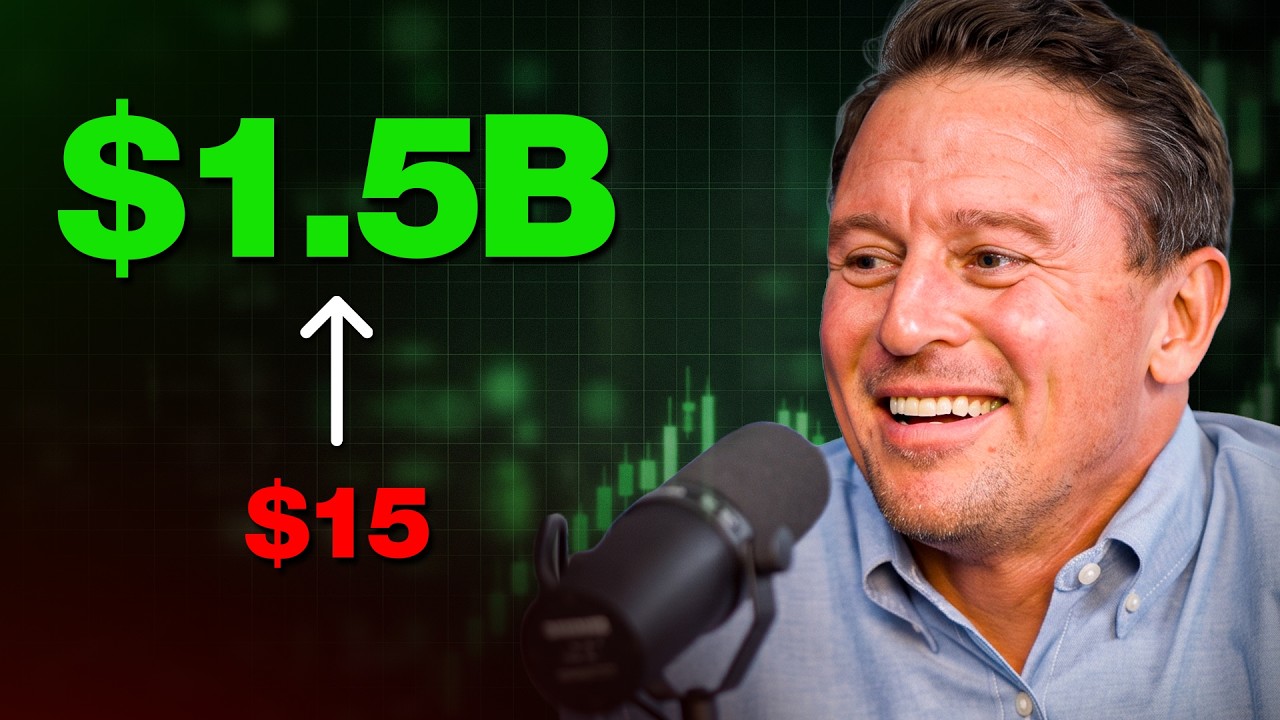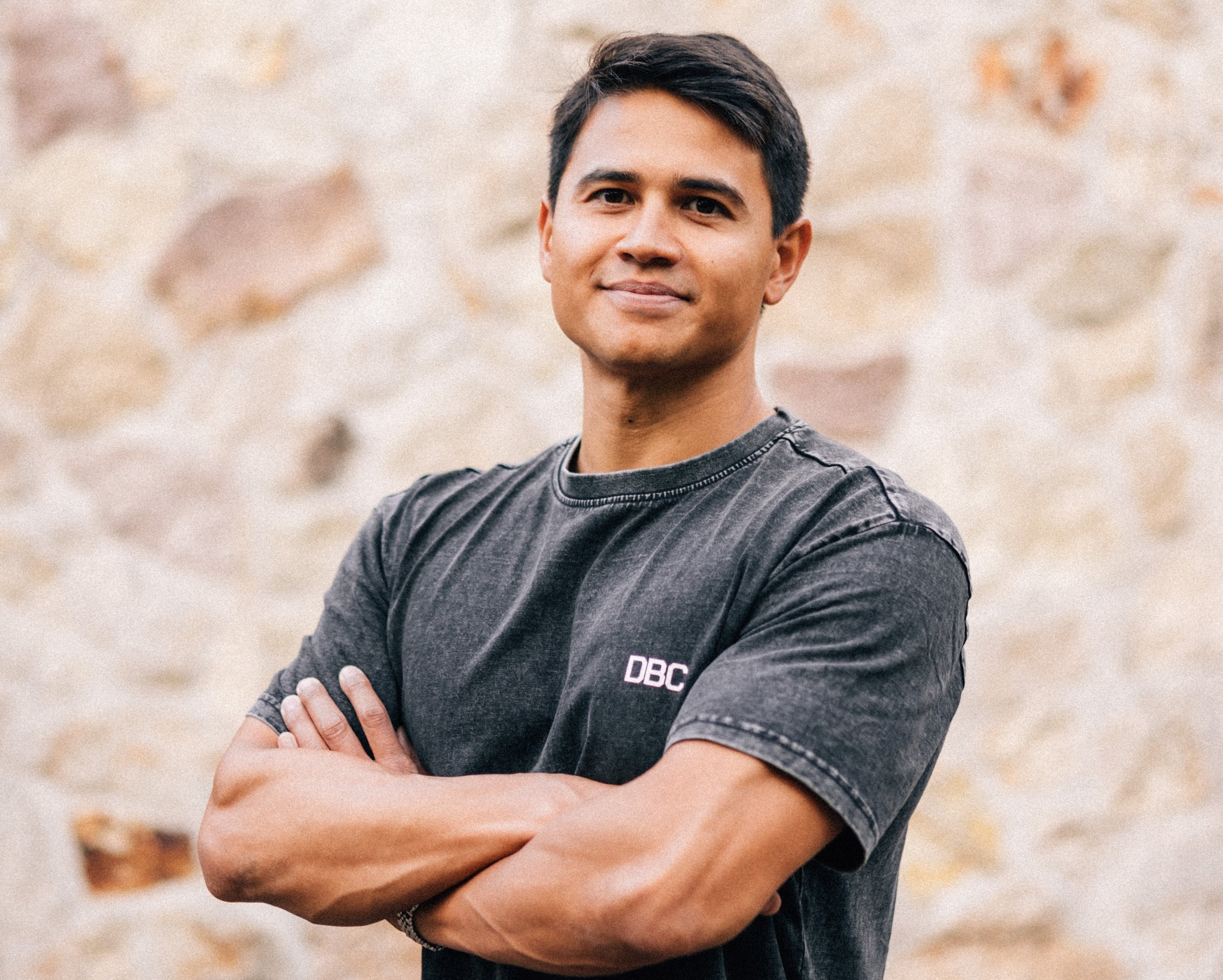
Most founders don't realize they're operating at half capacity until they see the photo.
For Anthony Ng Monica, that moment came after exiting his SaaS company. He was 18 pounds heavier, constantly tired, and performing at maybe 5 out of 10. A Hampton member and serial entrepreneur since age 12, Anthony knew the health industry wasn't built for people whose lives involve board meetings, jet lag, and unpredictable schedules. So he built Daily Body Coach: a premium coaching service that pairs high-net-worth clients with PhD-level nutritionists, exercise physiologists, and psychologists, plus a "concierge layer" handling everything from restaurant menus to flight nutrition logistics.
In just two years, the company hit 7 figures in annual revenue with one-third of all new clients coming from referrals.
In our exclusive Hampton interview, Anthony reveals:
- Why he fired all his part-time coaches and rebuilt the entire team with full-time PhDs
- The "ikigai moment" when his entrepreneurial drive, personal struggle, and market gap all intersected
- How 40% of clients' spouses join within four months (and what that signals about real transformation)
- The dashboard he's building to integrate blood work, DEXA scans, sleep, and performance into one command center
If you've ever wondered whether taking care of your health is compatible with building something massive, Anthony's story might change how you think about both.
Hello! Who are you and what business did you start?
Hey, I’m Anthony Ng Monica, Founder of Daily Body Coach and a Hampton member.
Daily Body Coach is a premium online coaching service that gives high net worth individuals what I call “the executive team for your health”. Every client gets a deeply involved support system - a nutritionist, exercise physiologist and psychologist - all of which have a master's or PhD. Their goal is to ensure we find what is easy, effective and enjoyable for our clients. This is then coupled with a “concierge” layer, which is where the magic happens, helping with restaurant menus, travel routines, flight nutrition logistics etc.
Our clients value clarity, structure, and results without wasting mental bandwidth. That’s exactly what we give them.
We’ve been running for just two years and are already making 7 figures in annual revenue with one-third of all new clients coming from referrals. The model works - we even built it with a psychologist to ensure it leads to real behavior change.
We’re here to be the last health coach they’ll ever need.
What’s your backstory and how did you come up with the idea?
I’ve been an entrepreneur since I was 12. The moment it clicked for me was when my best friend was dropped off in a Ferrari, a jog-proof Walkman (that was cool at the time) and a home that looked like a movie set. I wanted that too. I didn’t grow up wealthy - my parents worked incredibly hard - and that contrast lit a fire in me. I wanted to build something of my own.
Years later, after building and exiting a SaaS business that I ran for 10 years, I learned what so many ambitious founders eventually discover: success can come at the cost of your health if you’re not careful. My company was scaling, I was traveling constantly, COVID hit, gyms closed… and suddenly I was 18 pounds heavier, tired, stressed, and performing at maybe 5/10 of my potential.
And as entrepreneurs, we don’t get to operate at 5/10. Our decisions compound too quickly.
I remember thinking:
“How can the people building the world’s most impactful companies not have a system for taking care of their health?”
There was my aha moment - my ikigai.
My entrepreneurial background, my drive to reach my potential, my personal struggle and the opportunity to work with people like me that I resonate with - all intersected.
I knew the industry was full of noise, conflicting advice, fad diets, and plans that weren’t built for people with kids, board meetings, jet lag, and stress. Entrepreneurs don’t need more complexity they need clarity, accountability, and a system that adapts to their lives, not the other way around.
So I built exactly what I needed during that period of my life.
Take us through the process of building and launching the first version of your product.
The first version of Daily Body Coach wasn’t a product as much as a philosophy:
Remove friction → Provide clarity → Adapt relentlessly.
I started by mapping out every point of failure busy high performers experience. For example:
- Travel
- Unpredictable schedules
- Stress
- Family life
- Decision fatigue
- Poor sleep
- Restaurant meals
- Lack of accountability
- Desire for convenience
Then I designed a system to eliminate each of those obstacles.
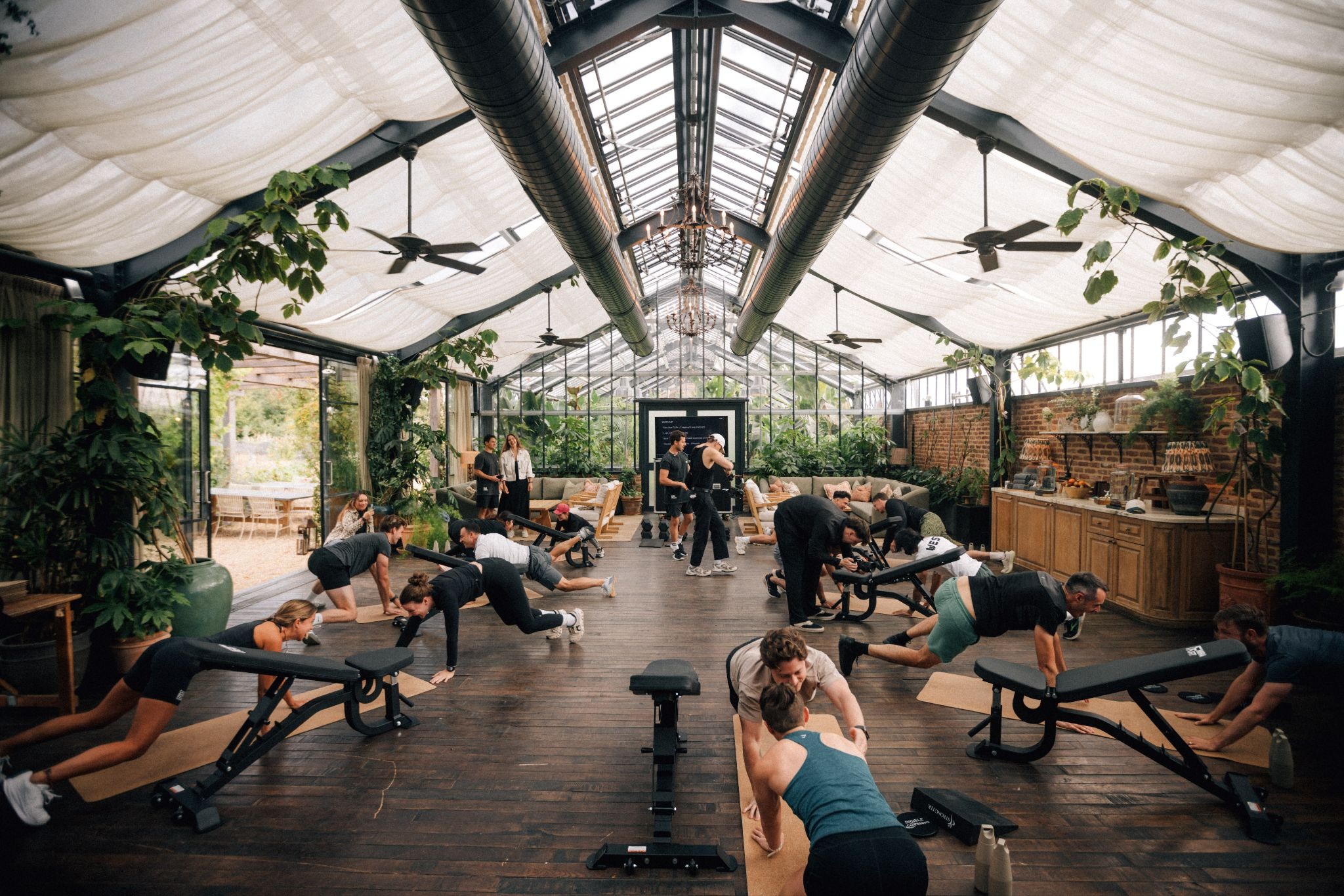
We built training plans that adapt to the client’s time and location - home, gym, hotel, even a garage with a couple of dumbbells. We designed the nutrition experience to be hands-on: clients send photos of their meals directly to their nutritionist so we can coach and hold them accountable. And we created the “concierge” layer - which is where the magic happens - helping with menus, travel routines, restaurant picks, flight nutrition logistics, and more.
There wasn’t a big “launch.” It was more like a slow burn of deeply serving early clients. The moment I knew we were onto something was when clients started referring their friends… and about 40% of their spouses joined within four months. That kind of word-of-mouth isn’t normal unless you’re delivering real transformation.
Since launch, what has worked to attract and retain customers?
Referrals are the engine of our business.
We serve high-net-worth individuals, founders, executives, and people in the public eye - circles where reputation matters and word travels fast. One-third of our business comes from referrals alone. When someone changes their body, energy, confidence, mood, and performance… people notice.
Our second biggest driver is community presence.
We host and support events for groups like Hampton. We partner with luxury concierge services. We appear on high-quality podcasts where our clients hang out. These moments create trust before anyone even books a call.
Another big retention driver is designing the program to really help clients throughout their lives. Our clients are busy - sometimes unpredictably busy - so we built systems that adapt instead of break. That alone keeps people in the program long term.
Delivering an exceptional experience creates its own flywheel. When a client loses 20–30 pounds, is healthier than ever, feels super confident, has more energy than they’ve had in a decade, gets compliments from their partner, or fits into clothes they haven’t worn since their 20s - they talk about it.
We’re now experimenting with expanding marketing: email, deeper podcast partnerships, collaborations inside HNWI communities, and over time, we plan to build our own audience.
How are you doing today and what does the future look like?
We’re profitable, lean, and growing fast.
We’ve maintained strong margins because we operate online, our service is high-touch but efficient, and our customer LTV is significant due to long-term retention.
Our largest channel is referrals, followed by podcasts and communities. We don’t rely on paid ads (yet), but we’re in the process of getting that set up, as well as exploring partnerships. From here, we’ll look to own our targeted audience, this will likely be a lot on organic social and podcasts.
Short-term, we’re optimizing scalability without compromising quality. Long-term, we’re building the world’s most effective health system for high performers and looking to further diversify our marketing channels and own our audience.
Did you ever have an “oh shit” moment where you thought it wouldn’t work?
Absolutely.
Early on, we followed a model we’d seen a lot of other companies use: part-time coaches. On paper, it made perfect sense. Most personal trainers are busiest in the early mornings, lunchtime, and after work, which makes them easy to hire on the side.
But we quickly realized the downside. The quality wasn’t reliable - it was inconsistent. This wasn’t their main priority; it was a side hustle. And for a luxury service like ours, that simply doesn’t work.
So we made a hard pivot. Today, we only hire full-time coaches, each with at least a Master’s or PhD. That way, we get not just their expertise, but their full attention and availability.
Ultimately, we believe that if we keep serving people exceptionally well, everything else takes care of itself.
Where do you see untapped opportunity in the market?
Most of the health industry is built for general consumers - not for people whose lives operate at a high level of pressure, complexity, and decision load. I think the truth is that most people don’t have access to this type of clientele – it’s something I have had the competitive edge to do after exiting my last business.
The world desperately needs more truly personalized systems and processes that adapt to your real life, not generic plans that assume you’ll never go to a restaurant or have a static amount of time available.
Another opportunity in the market would be to build a dashboard that integrates your personal health data - blood work, DEXA results, stress, sleep, nutrition, and performance into one simple command center. That’s something that I will eventually build out for internal use for our clients.
What platform/tools do you use for your business?
We run the company on a lean, powerful stack.
- Notion for internal systems, client processes, and SOPs
- HubSpot for CRM and pipeline management
- Slack for team communication
- Loom for asynchronous coaching and client walkthroughs
- Calendly for scheduling
- Google Workspace for everything foundational
- Typeform for onboarding assessments
- WhatsApp for asynchronous client communication - we found this works best to meet clients where they are
We’re also building proprietary internal tools to scale our concierge and coaching workflows - giving clients a seamless, luxury experience behind the scenes.
What have been the most influential books, podcasts, or resources?
Podcasts shaped me.
I’ve listened to at least an hour a day for over a decade. They surrounded me with ideas, ambition, and possibility even before I had any. The ones I enjoy the most are My First Million, MoneyWise, Masters of Scale and Founders.
Books that impacted me deeply include:
Predictable Revenue - foundational for system-building and sales structure.
Pitch Anything - completely reframed how I think about power dynamics and framing.
Profit First - on how to turn your business away from being a cash eating monster. This was useful for me when transitioning from a SaaS company that was all about creating enterprise value to running a more service focused business.
Advice for entrepreneurs who want to get started?
Start with your competitive advantage, which is at the intersection of what you know deeply and who you can serve better than anyone else.
Most people look outward for ideas. Start by looking inward.
Second:
You don’t need perfection. You need momentum.
Good consistently beats perfect inconsistently, in health and in business.
Third:
Don’t spread yourself thin. People try to win on LinkedIn, TikTok, Instagram, podcasts, newsletters, paid ads… all at once. Pick one channel. Dominate it. Then expand.
And finally:
Protect your health.
Your energy, clarity, and confidence are the operating system for everything else. No business win is worth sacrificing the body and mind you need to create it.
Can you share a specific example of how being part of the Hampton community helped you?
I could share many examples, but a few really stand out.
Through Hampton, I met one of my closest friends - someone who fundamentally changed how I think about marketing. Coming from a background where I grew my previous business primarily through outbound sales, learning directly from him has been invaluable and has significantly accelerated the growth of my current business.
Some of my most memorable personal moments came through the community as well. The first person to ride in my McLaren after my exit was a Hampton member.
More than anything, Hampton has given me genuine friendships with people who are experienced, understand what I’ve been through, and genuinely want to help each other. It’s a reminder that being at the top doesn’t have to be lonely.
Where can we go to learn more?
Website: dailybodycoach.com
Instagram: @dailybodycoach
LinkedIn: Anthony Ng Monica
Email: anthony@dailybodycoach.com